How to Know if Your Saddle Pad is Actually Breathable
When temperatures rise and training schedules get busy, your saddle pad matters more than most riders realize.
A truly breathable saddle pad should do more than simply feel lightweight in your hands. It should actively help reduce heat buildup, improve airflow, and manage moisture throughout your ride — not just during the first few minutes.
Many saddle pads may initially feel breathable, but once you begin riding in warmer weather, it quickly becomes clear whether they are allowing heat and moisture to escape effectively.
Check if the Materials Actually Allow Airflow
One of the first things to evaluate is the material construction itself.
Many traditional saddle pads rely on thick foam, dense cotton, or heavily layered materials that tend to trap heat and moisture beneath the saddle. While they may feel soft or supportive at first, they often struggle to ventilate properly once sweat and friction begin to build.
A breathable saddle pad should instead use materials specifically designed to promote airflow and moisture evaporation. Features such as perforated fabrics, breathable mesh layers, moisture-wicking linings, and quick-dry construction all help keep your horse cooler, drier, and more comfortable throughout work.
Ventilation zones, perforated panels, and lightweight technical fabrics can also make a noticeable difference in how efficiently heat escapes during rides.
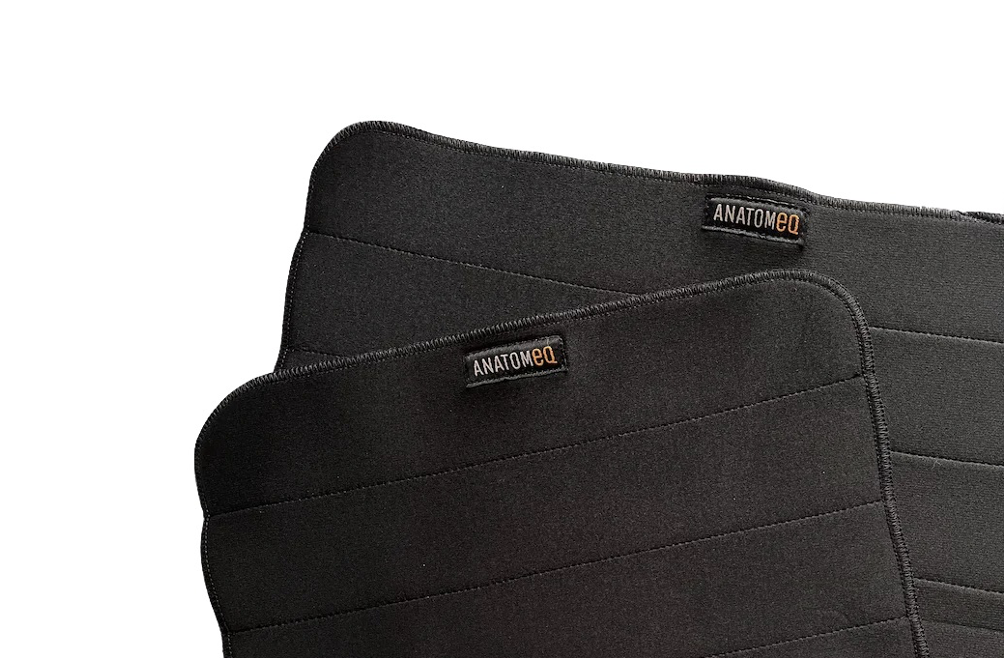
At Anatomeq, our Perfeq Saddle Pads combine perforated suede exterior panels with a breathable 3D mesh core designed to help dissipate heat and moisture more effectively beneath the saddle.
Pay Attention After Your Ride
One of the easiest ways to evaluate breathability is simply by looking at your horse’s sweat marks after work.
Poorly ventilated saddle pads often leave behind excessive sweat buildup, concentrated hot spots, and damp fabric that remains wet long after the ride is over. A truly breathable saddle pad should help heat and moisture escape more efficiently, allowing your horse to stay cooler and more comfortable throughout training while also helping the pad dry faster afterward.
Breathability Should Perform Alongside Comfort — Not Against It
A common misconception is that thicker saddle pads automatically provide more comfort. In reality, overly bulky materials can increase heat retention and create unnecessary pressure when airflow is restricted.
The best saddle pads balance cushioning, pressure distribution, airflow, and low-bulk performance together. Breathability and protection should complement one another, not compete.
This is one reason technical fabrics inspired by athletic apparel are becoming increasingly relevant within modern equestrian equipment design.
Don’t Overlook the Spine Channel
The spine channel is one of the most overlooked elements in saddle pad design, yet it plays a major role in both comfort and airflow.
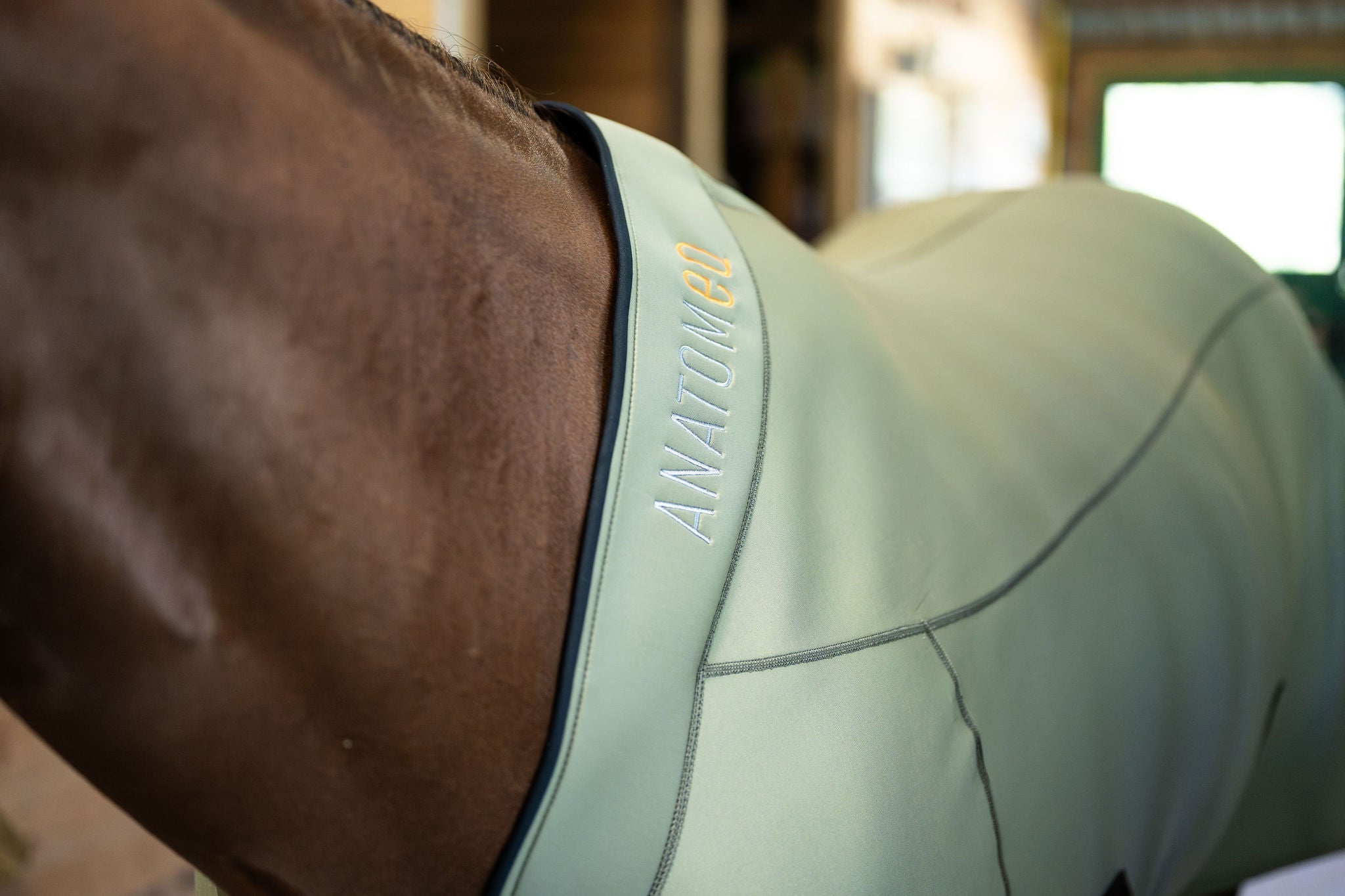
A well-designed saddle pad should avoid placing excessive pressure directly along the spine and withers, where heat and friction commonly build during work. Anatomical shaping, proper spine clearance, soft low-profile trim materials, and a contoured fit that helps prevent shifting all contribute to more consistent airflow and comfort beneath the saddle.
When a saddle pad collapses into the wither area or shifts excessively during rides, ventilation can quickly become compromised.
Breathability Also Matters for Everyday Practicality
Breathability is not only about comfort during rides — it also affects daily maintenance and long-term practicality.
Saddle pads that trap sweat and moisture tend to stay damp longer, collect dirt and hair more easily, and are often more difficult to keep clean. Lightweight, moisture-wicking, and quick-drying materials help improve comfort for your horse while also making the pads easier to wash, faster to dry, and more practical for busy training and competition schedules.
Final Thoughts
Choosing a breathable saddle pad is about far more than simply keeping your horse cooler during summer rides. Proper airflow, moisture management, quick-dry performance, and thoughtful pressure distribution all contribute to your horse’s overall comfort and performance over time.
As technical equestrian fabrics continue to evolve, riders are becoming increasingly aware that breathability should never be treated as an afterthought — it should be a requirement of good saddle pad design.
The Anatomeq Perfeq Saddle Pad Collection was designed with breathable performance at its core — combining perforated materials, moisture-wicking fabrics, anatomical shaping, and easy-care functionality for everyday riding comfort.
Now that you know what to look for in a breathable saddle pad, why not see it in action? Explore the Perfeq Saddle Pad Collection and discover the details that set it apart.